
NEW YORK, UNITED STATES — September 17, 2026 — (ACI Newswire) — Major corporations are cementing supply chain innovation as a permanent line item in their capital expenditure budgets, moving away from temporary pandemic-era fixes toward structural transformation. As geopolitical tensions and climate-related disruptions persist through 2026, manufacturing and retail leaders are prioritizing artificial intelligence, warehouse automation, and nearshoring to protect their operational continuity.
Corporate boards now view supply chain modernization not merely as a cost-saving measure, but as a critical component of risk management. Market data indicates that Chief Supply Chain Officers (CSCOs) are retaining significant purchasing power, directing funds toward technologies that offer granular visibility into tier-two and tier-three suppliers.
The Shift from Recovery to Structural Resilience
For the past several years, supply chain strategies focused heavily on immediate crisis management and clearing historic backlogs. That phase has officially concluded. Organizations are currently engaged in a long-term restructuring of their sourcing networks and distribution models.
Executives are evaluating their networks through the lens of continuous disruption rather than isolated events. This shift requires infrastructure capable of adjusting to sudden tariffs, port strikes, or localized material shortages without halting global production. Consequently, capital that previously funded emergency freight premiums is now financing supply chain digitization.
Artificial Intelligence and Predictive Analytics
Machine learning algorithms have moved beyond pilot programs to become standard components of enterprise resource planning (ERP) systems. Companies utilize predictive analytics to forecast demand fluctuations based on a complex web of indicators, including weather patterns, consumer sentiment, and raw material pricing.
This analytical capability allows procurement teams to adjust inventory levels dynamically, reducing the carrying costs associated with holding excess safety stock. Rather than relying on historical sales data, which proved unreliable during recent economic shifts, planners now use real-time data sets to anticipate localized demand spikes.
Robotics and Warehouse Automation Mature
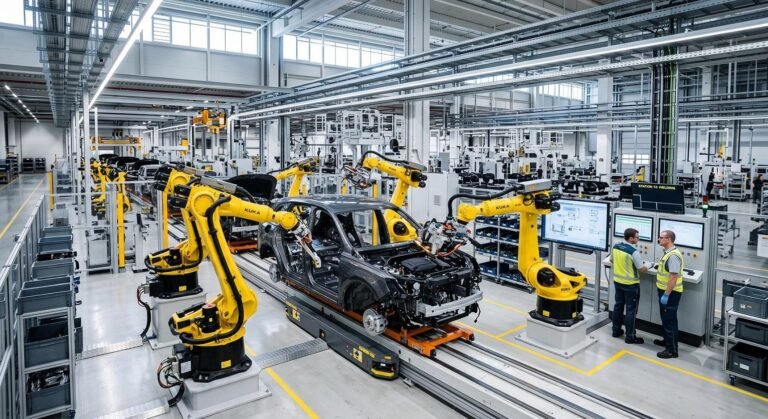
Labor shortages in the logistics sector continue to drive investments in physical automation. Distribution centers are increasingly populated by autonomous mobile robots (AMRs) that assist human workers with picking and packing operations. These systems reduce physical strain on employees and significantly increase facility throughput.
Furthermore, the implementation timeline for warehouse automation has condensed. Where robotic integration previously required months of facility downtime, modular systems now allow companies to deploy automation incrementally. This flexibility encourages mid-market companies to adopt automated solutions that were previously exclusive to the largest global retailers.
Nearshoring and Regionalization Alter Trade Routes
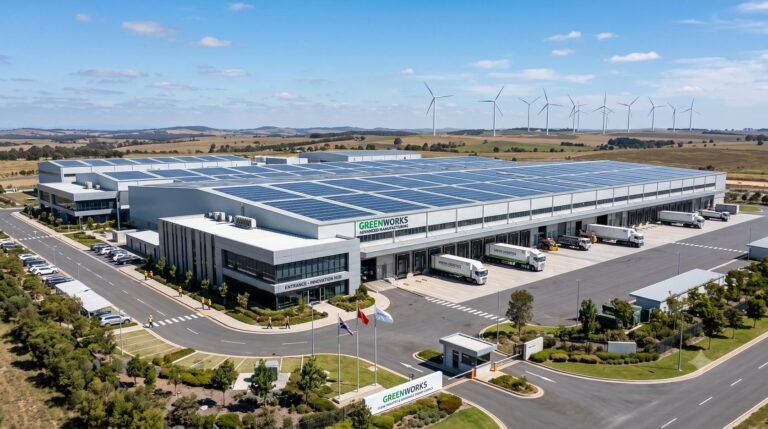
Geopolitical risk assessment has fundamentally altered sourcing strategies. While full onshoring remains economically unfeasible for many consumer goods, companies are aggressively pursuing a “China Plus One” or broader regionalization strategy. North American manufacturers are expanding their footprints in Mexico, while European firms increase investments in Eastern Europe and North Africa.
This geographic diversification shortens transit times and reduces exposure to single-point failures in transoceanic shipping. However, establishing new manufacturing hubs requires significant localized supplier development. Firms are spending heavily to bring these new regional partners up to global compliance and quality standards.
ESG Compliance Drives Visibility Requirements
Environmental, Social, and Governance (ESG) mandates are forcing companies to map their supply chains with unprecedented detail. Regulatory frameworks in Europe and pending rules in North America require public companies to report Scope 3 carbon emissions, which encompass the indirect emissions across their entire value chain.
Gathering this data necessitates close integration with logistics providers, packaging suppliers, and raw material extractors. Supply chain software platforms that track carbon footprints alongside financial costs are seeing rapid adoption. Organizations can no longer claim ignorance regarding the labor practices or environmental impact of their distant suppliers.
Digital Twins Model Risk and Response
To manage this increased complexity, organizations are building “digital twins”—virtual replicas of their entire physical supply chain network. These models ingest live data from shipping vessels, factory floors, and distribution centers to simulate the impact of potential disruptions.
If a hurricane threatens a major port, a digital twin can immediately calculate the inventory impact and suggest alternative routing for shipments currently in transit. This capability shifts supply chain management from a reactive discipline to a proactive one, allowing companies to secure alternative capacity before competitors react to the same disruption.
Looking Ahead: The Cost of Inaction
Industry analysts maintain that the gap between digital leaders and laggards is widening. Companies that delay supply chain investments cite high interest rates and uncertain economic growth as deterrents. However, analysts note that organizations operating on legacy, spreadsheet-based systems suffer disproportionate financial losses during localized disruptions.
As consumer expectations for rapid delivery remain high and regulatory scrutiny intensifies, supply chain innovation is firmly established as a primary driver of market competitiveness. Organizations that successfully digitize their supplier networks and automate their logistics infrastructure are positioned to capture market share from competitors struggling with operational rigidity.
About ACI Newswire
ACI Newswire distributes corporate announcements, financial disclosures, and industry analysis to media outlets and market professionals globally. The platform connects organizations with stakeholders through targeted news distribution, providing a direct channel for material business updates and executive communications across international markets.
Media Contact:
ACI Newswire
contact@acinewswire.com