
NEW YORK, USA — July 9, 2026 (ACI Newswire) — Healthcare systems worldwide are undergoing a significant transition, with a marked increase in the adoption of digital health technologies among clinical providers. As organizations face persistent workforce shortages and rising operational costs, the integration of artificial intelligence (AI), remote monitoring, and virtual care platforms has moved from peripheral experimentation to core infrastructure.
Industry data for 2026 underscores this shift, with the global digital health market continuing its trajectory toward a multi-hundred-billion-dollar valuation. For hospital systems and private practices alike, the primary objective is no longer merely digitization but the creation of scalable, efficient workflows that enhance patient engagement and address chronic disease management.
AI and Automation Redefine Clinical Workflows
Artificial intelligence is perhaps the most prominent driver of this adoption trend. By 2026, AI-enabled tools have evolved beyond simple data entry tasks to become essential components of the diagnostic and decision-making process.
Clinical documentation, historically a significant source of burnout, is seeing relief through AI-powered medical scribes. These tools synthesize doctor-patient conversations in real time, populating electronic health records (EHR) with structured notes. By reducing the time clinicians spend on administrative documentation, providers are reporting higher efficiency and increased direct time for patient consultation.
Beyond administration, multimodal AI is helping clinicians synthesize disparate data points—from medical imaging and EHR records to wearable sensor readings—to form a comprehensive view of patient health. These predictive models enable earlier disease detection and more personalized treatment pathways, moving care delivery from a reactive model to a proactive one.
The Expansion of Virtual Care and Remote Monitoring
Telehealth, which gained prominence during the global pandemic, has matured into a hybrid cornerstone of healthcare delivery. Modern virtual care platforms now focus on continuity and chronic disease management rather than just episodic, urgent care consultations.
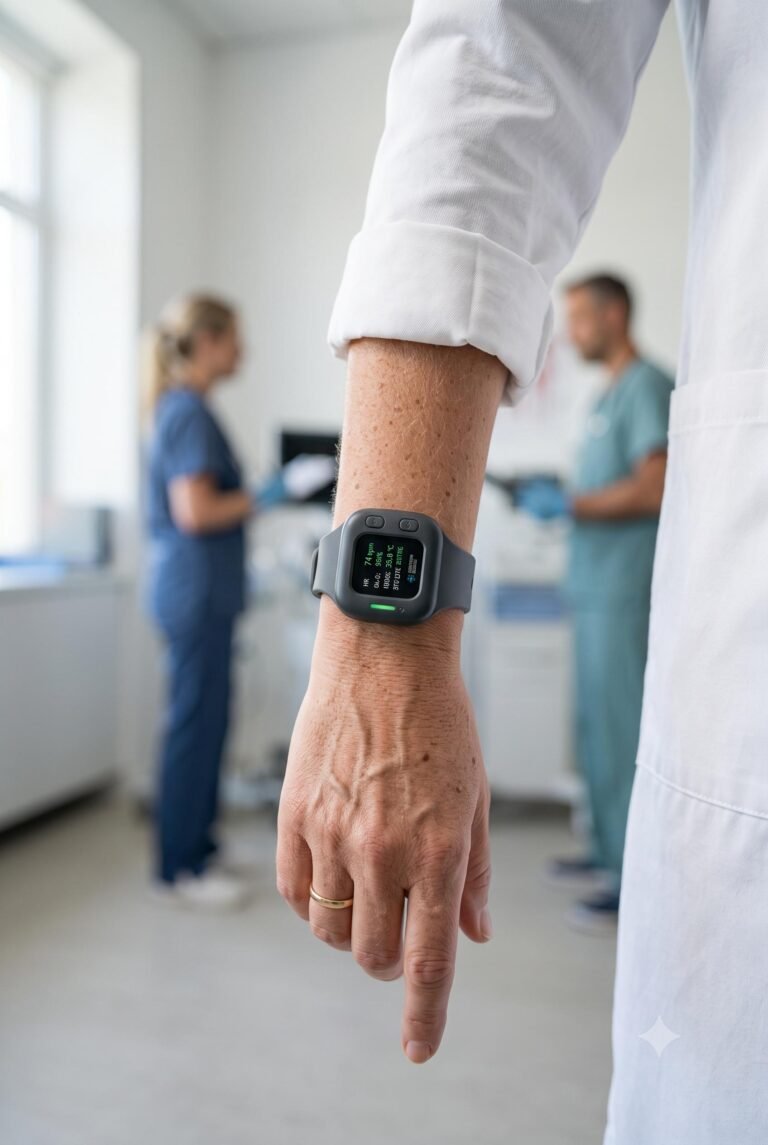
Remote Patient Monitoring (RPM) has seen a concurrent rise, bolstered by the integration of medical-grade wearables. Devices that track blood pressure, glucose levels, and heart rate transmit data directly into clinical workflows, allowing care teams to identify deterioration before it requires an emergency intervention.
This transition to home-based care—often described as “hospital-at-home” models—is providing a critical release valve for overcrowded emergency departments. By diverting patients who require monitoring but not high-acuity inpatient care, providers are optimizing bed utilization and resource allocation across major hospital networks.
Data Interoperability and the Role of FHIR
The acceleration of digital adoption has been predicated on improvements in data exchange. The industry-wide push for standardized APIs, specifically through the Fast Healthcare Interoperability Resources (FHIR) framework, has reached a critical threshold.
By 2026, the vast majority of major EHR platforms are FHIR-enabled, allowing disparate systems to communicate more effectively. This interoperability is essential for the success of digital health tools, ensuring that clinical decision support systems can deliver insights directly into the physician’s existing workflow rather than forcing them to navigate separate, disjointed dashboards.
Market Growth Amidst Strategic Challenges
The financial outlook for the sector remains robust, with various market forecasts placing the global digital health market between $420 billion and $490 billion for 2026. This represents a double-digit compound annual growth rate (CAGR) that is expected to persist through the early 2030s.
However, the rapid influx of digital tools brings complex challenges. Data security and patient privacy remain at the forefront of the conversation, as the volume of sensitive health information continues to grow. For healthcare executives, the mandate is clear: digital solutions must be designed with “privacy-by-design” principles to maintain the trust of both patients and regulators.
Furthermore, the “learning curve” associated with new technology remains a hurdle for many practitioners. Successful implementation, therefore, is increasingly defined not just by the quality of the software, but by the level of training and institutional support provided to the clinical staff tasked with using these platforms daily.
A Future-Forward Outlook
As the healthcare sector moves through the remainder of 2026, the focus is shifting toward “agentic” AI and more sophisticated digital engagement models. The goal for providers is to build a digital front door that simplifies patient access, from scheduling and intake to post-visit follow-up.
While the path forward involves navigating regulatory complexities and cybersecurity risks, the consensus among industry leaders is that digital health is now inseparable from the standard of care. By leveraging technology to reduce administrative burden and provide more accurate, personalized diagnostics, healthcare providers are positioning themselves to meet the demands of an aging global population more effectively.
About ACI Newswire
ACI Newswire is a leading digital press distribution service providing timely and objective reporting on global business, technology, and healthcare developments. Our editorial team works to distill complex industry data into clear, actionable news for professionals, investors, and stakeholders. ACI Newswire is committed to maintaining the highest standards of journalistic integrity and clarity in its reporting.
Suggested Media Contact:
ACI Newswire
contact@acinewswire.com