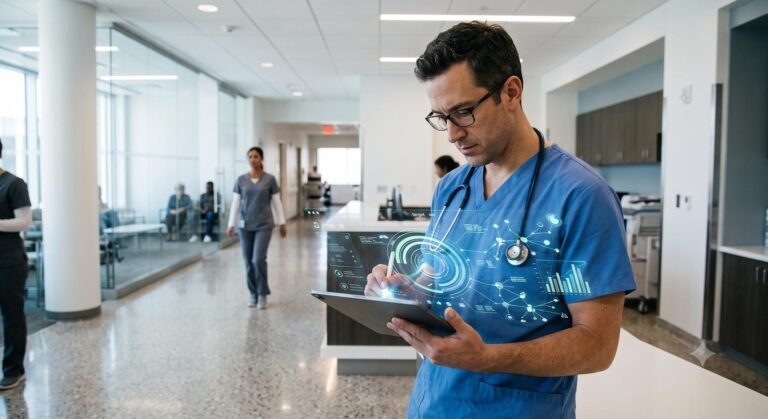

NEW YORK, UNITED STATES — September 4, 2026 (ACI Newswire) — The integration of digital health platforms into standard medical practice is demonstrating measurable improvements in patient engagement, chronic disease management, and overall clinical outcomes. Healthcare systems deploying remote patient monitoring (RPM) and chronic care management (CCM) solutions report sustained reductions in blood pressure and fasting glucose levels among engaged populations. As hospitals and clinics increase investments in patient-centric technologies, data reveals a growing reliance on web-based portals and mobile health applications to coordinate care. However, disparities in adoption remain a persistent challenge for industry stakeholders seeking equitable care delivery.
Market Expansion and Strategic Investments
The financial trajectory of healthcare technology underscores the shift toward continuous patient monitoring. The global patient engagement solutions market reached a valuation of $33.95 billion in 2025. Analysts project the market will expand to $194.18 billion by 2034, registering a compound annual growth rate (CAGR) of 21.38%. North America currently holds the largest regional market share, driven by the aggressive deployment of digital health software across hospitals and integrated care networks.
This specific sector operates within the much larger global digital health market, which was valued at $347.4 billion in 2025 and is forecasted to exceed $1.8 trillion by 2033. The transition toward value-based healthcare delivery models acts as the primary catalyst for this financial expansion. Providers increasingly prioritize platforms that offer continuous communication rather than episodic, clinic-based interactions. By focusing on long-term health management, hospital administrators aim to improve adherence to treatment plans and reduce avoidable hospital readmissions. Consequently, patient engagement technologies are transitioning from experimental pilot programs to essential infrastructure components.
Clinical Efficacy of Remote Patient Monitoring
Extensive data now correlate high digital engagement with tangible health improvements, particularly for chronic conditions. A 2024 clinical outcomes report evaluating nearly 42,000 patients enrolled in RPM programs demonstrated distinct health benefits across hypertension and type II diabetes cohorts. The data showed that over 80% of hypertensive patients lowered their blood pressure compared to baseline measurements. Furthermore, patients diagnosed with Stage 2 hypertension experienced an average systolic blood pressure reduction of 23.8 mmHg.
Diabetic care management also reflects strong outcomes associated with consistent digital engagement. Patients utilizing RPM for type II diabetes recorded a 16.5 mg/dL reduction in fasting blood glucose levels. For patients with severe hyperglycemia, the reduction reached 56.8 mg/dL, a decrease comparable to interventions using common non-insulin medications. Program managers attribute these results to continuous physiological data transmission, which allows physicians to adjust care plans before a patient’s condition deteriorates.
Shifting Patient Preferences and Communication Strategies
Patient willingness to interact with medical providers via digital channels continues to rise. Recent industry surveys indicate that over 60% of adults with at least one chronic condition have activated their patient portal, while 54% log in at least once annually. For specialized initiatives like RPM, active engagement rates frequently exceed 78%. Wearable technology usage also correlates with higher engagement metrics, particularly for individuals managing obesity and cardiovascular disease.
Healthcare organizations are also refining their direct outreach methods to maximize responsiveness. Data indicates that 89% of patients are more likely to interact with text messages sent from a standard 10-digit phone number rather than an anonymous short code. This preference directly impacts revenue and operations; recognizable numbers yield a 66% increase in appointment attendance and a 41% improvement in timely bill payments. Simple adjustments to communication protocols clearly yield high returns for outpatient clinics.
Navigating Adoption Gaps and Digital Health Equity
Despite strong overarching growth, digital engagement remains uneven across varying demographics. An observational study analyzing over 250,000 adults aged 50 and older highlighted notable disparities in portal usage. Activation rates dropped significantly among older cohorts, non-English speakers, and specific minority groups. Specifically, only 40% of Black patients and 28% of Spanish-speaking patients in the studied demographic actively used patient portals.
These digital health equity gaps present a structural barrier to universal value-based care. Lower engagement among vulnerable populations risks widening existing health disparities, as non-users miss out on continuous care monitoring, easy prescription refills, and direct provider messaging. Researchers emphasize that addressing language barriers, improving digital literacy, and ensuring reliable broadband access are necessary steps for equitable healthcare delivery.
Integration Complexities and Privacy Concerns
Deploying new software into established medical environments introduces technical friction. Data privacy concerns and integration complexities currently act as the primary restraints on the patient engagement market. Because these platforms handle highly sensitive clinical and personal data, security and regulatory compliance require extensive administrative oversight. The threat of data breaches forces healthcare providers to implement rigorous and costly cybersecurity protocols.
Furthermore, integrating new engagement platforms with legacy electronic health records (EHR) demands significant IT resources. Smaller medical practices often lack the capital and technical personnel required to manage these deployments efficiently. Fragmented IT systems and a lack of universal interoperability standards can delay return on investment and trigger resistance among clinical staff facing workflow disruptions.
The Role of Interoperability and Advanced Software
To counter these technical hurdles, developers are pushing toward standardized data-sharing protocols. Approximately 70% of hospital systems now utilize Fast Healthcare Interoperability Resources (FHIR)-based applications, which facilitate more uniform access to health data across different software environments. This shift toward interoperability enables patients to view their medical history comprehensively.
Currently, 95% of U.S. hospitals permit patients to view clinical notes online, and 92% provide secure direct messaging with providers. However, the industry has yet to reach full maturity. Less than half of hospitals have fully implemented advanced engagement capabilities across both inpatient and outpatient settings. As software solutions incorporate artificial intelligence to personalize patient outreach and automate routine tasks, hospital administrators expect engagement metrics to climb steadily in the coming years.
Industry Context
The transition from fee-for-service to value-based reimbursement dictates the strategic direction of the healthcare market. Insurance providers and government payers increasingly tie hospital compensation to long-term patient outcomes rather than the pure volume of services rendered. This structural shift requires medical systems to actively monitor chronic disease populations between routine clinic visits. Digital platforms serve as the necessary infrastructure to scale this proactive care model without overwhelming physician workloads.
Key Facts and Figures
-
$33.95 Billion: Global patient engagement solutions market valuation in 2025.
-
21.38%: Projected compound annual growth rate (CAGR) for the patient engagement market from 2026 to 2034.
-
23.8 mmHg: Average systolic blood pressure reduction for Stage 2 hypertension patients utilizing continuous remote monitoring.
-
89%: Increase in patient engagement likelihood when providers use recognizable 10-digit numbers for SMS outreach.
-
61%: Patient portal activation rate among adults over the age of 50 managing chronic conditions.
-
95%: Percentage of hospital systems that allow patients to view their clinical notes online.
Conclusion
Digital health platforms are evolving from supplementary administrative tools into clinical necessities. Financial metrics project sustained, aggressive growth in the software sector, supported by verifiable improvements in chronic disease management and patient compliance. While organizations report strong clinical outcomes from remote patient monitoring, stakeholders face ongoing challenges related to IT integration, data security, and digital equity. Addressing these barriers will determine the ultimate effectiveness of patient engagement platforms across the broader medical landscape.
About ACI Newswire
ACI Newswire is a global distributor of financial, business, and industry news. We connect organizations with media outlets, financial institutions, and specialized audiences through targeted content delivery. Our editorial team reviews submitted announcements to ensure clarity and professional formatting for investors, journalists, and market analysts.
Suggested Media Contact:
ACI Newswire
contact@acinewswire.com